Jump directly to the Content
About Us
Our Ministry
The Gap We See
Stories
Partner with Us
Newsletters
Give Now
Explore
About Us
Our Ministry
The Gap We See
Stories
Partner With Us
Newsletters
Give Now
My Account
Subscribe
Store
Log Out
Log In
|
Subscribe
Sections
Home
The Magazine
Current Issue
Issue Archives
Member Benefits
Subscribe
Give a Gift
Donate
Special Sections
CT Pastors
News & Reporting
History
Podcasts
Videos
Español
|
All Languages
Topics & People
Theology & Spirituality
Church Life & Ministry
Politics & Current Affairs
Higher Education
Books
Science
Global Church
Unity
Politics
All Topics & People
Help & Info
Contact Us
|
FAQ
My Account
Site Map
Store
Free Newsletters
Our Latest
The Magazine
Subscribe
Member Benefits
Give a Gift
April 2024
Digital editions:*
Reader Friendly PDF
|
Standard PDF
*Included with your
Print + Digital Subscription
View Current Issue
Issue Archives
Browse 60+ years of magazine archives and web exclusives. Subscribers receive full access to the archives.
View Issue Archives
Subscribe
Pastors
Articles
Home
Our Latest Articles
Reflection What Would Jesus Do
Trinity Sunday
The Transformative Power of Need
Waffles and Discipleship
Reignite Your Faith, Reawaken your Church
Journey Within
All Articles
Topics
Leadership
Preaching
Discipleship
Outreach
Pastoral Care
Welcoming Visitors
Browse All
Archives
Subscribe to CT magazine for full access to the CT Pastors archives
Current Issue
Issue Archives
Subscribe
Give a Gift
Donate
Common Challenges
Pastor's Library
Home
Pastor's Library
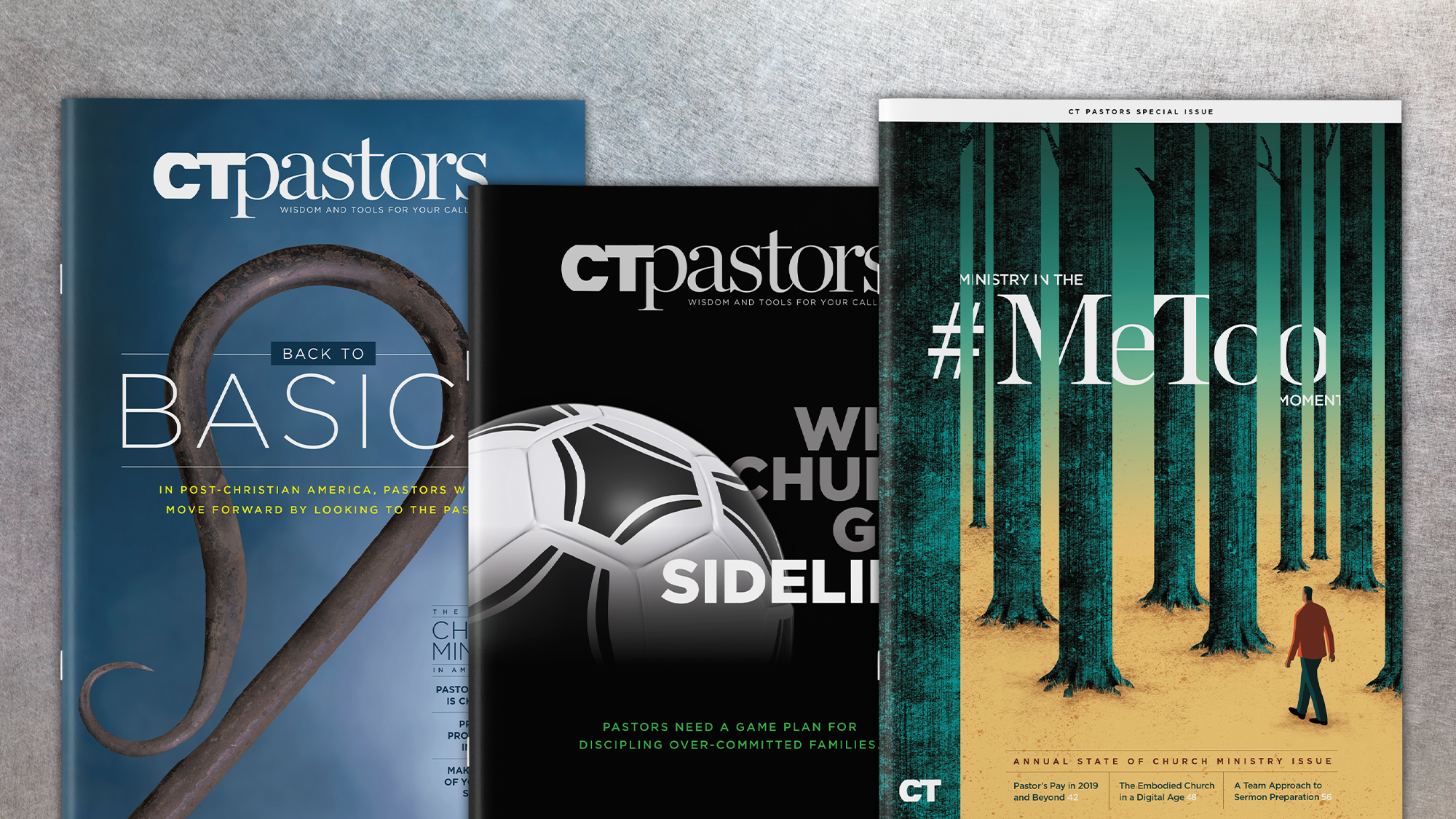
CT Pastors Special Issues
Leadership Journal
Archives
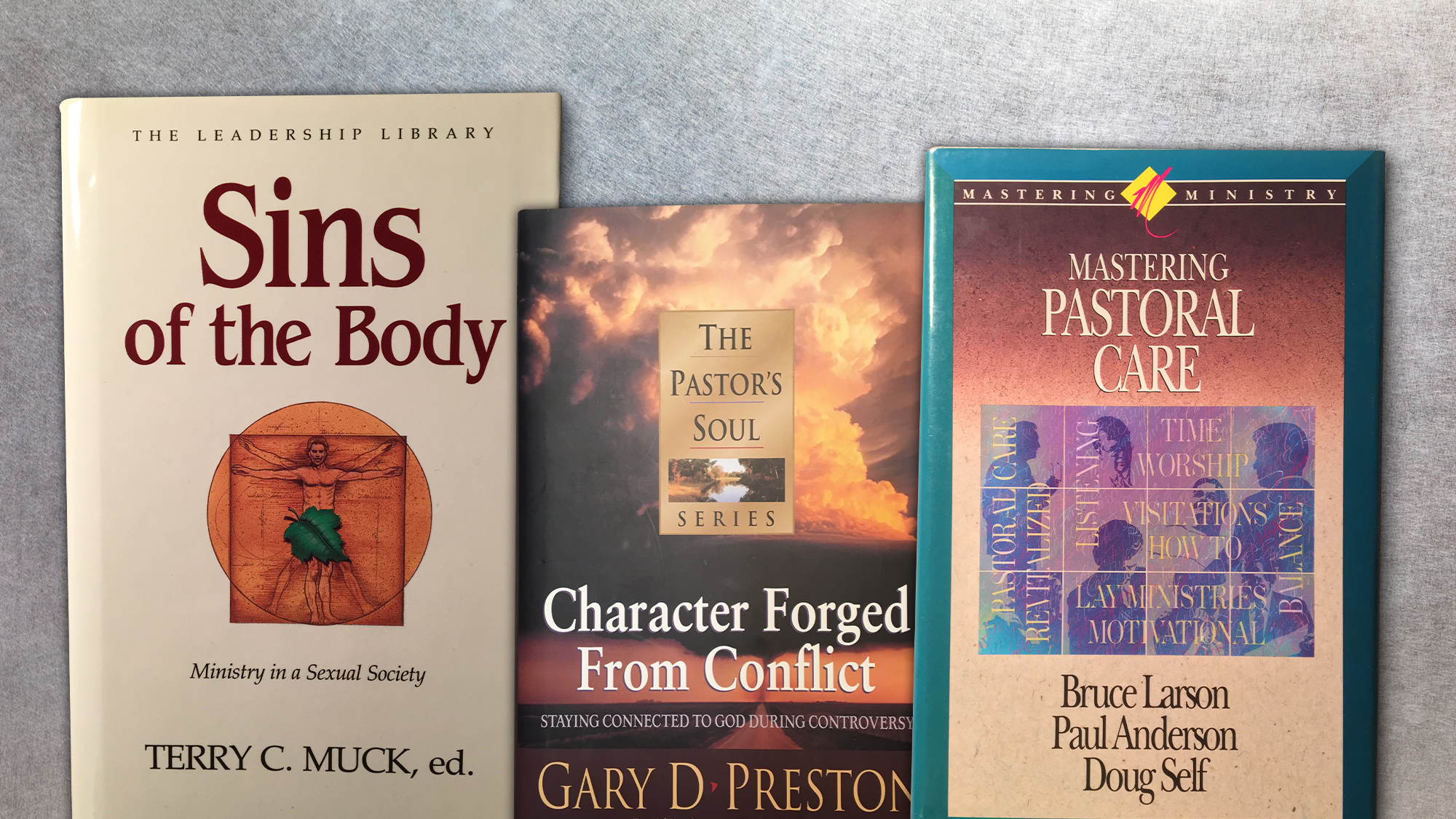
Leadership Books
Cartoons
Full Library
Archives
Subscribe to CT magazine for full access to the CT Pastors archives
Current Issue
Issue Archives
Subscribe
Give a Gift
Donate
Theology
What Christians Miss When They Dismiss Imagination
Understanding God and our world needs more than bare reason and experience.
Douglas Estes
Image: Source images: Hiroshi Watanabe / Getty / CCO
Review
Reason and Logic Belong to God. So Do Imagination and Myth.
A new book explores what C. S. Lewis believed about the multileveled nature of reality.
Louis Markos
Video
AJ Sherrill: The Importance of Imagination
The church should empower curiosity and foster imagination...but does it?
Father's Day
The Last Gift My Father Gave Me
A surprising encounter with my dad, Jesus, and Jerry Seinfeld opened a door to long-awaited healing.
Michael Cosper
Review
It’s Never Too Late to Forgive a Flawed Father—or to Ask How He Got His Scars
What an attention-starved son learned while reconstructing the life of his distant dad.
Chad C. Ashby
Subscribe to Christianity Today for access to the most comprehensive Pastor’s Library:
Complete access to
CT Pastor’s Library
Home delivery of CT magazine and CT Pastors special issues
Over 120 years of magazine archives plus full access to all of CT’s online archives
Learn more
Subscribe Now
Already a subscriber?
Log in
Books
Review
Hope for God's Creation: Stewardship in an Age of Futility
Andrew J. Spencer
Review
Strange Religion: How the First Christians Were Weird, Dangerous, and Compelling
Nijay K. Gupta
Review
Crossing Cultures with the Gospel: Anthropological Wisdom for Effective Christian Witness
Darrell L. Whiteman
Review
The Pastor as Apologist: Restoring Apologetics to the Local Church
Michael McEwen; Dayton Hartman
Review
The Deconstruction of Christianity: What It Is, Why It’s Destructive, and How to Respond
Tim Barnett; Alisa Childers
Review
Nobody's Mother: Artemis of the Ephesians in Antiquity and the New Testament
Sandra L. Glahn
View All
Where Worship Doesn’t Translate
How groups like Hillsong learned to let go of the literal in favor of creative collaboration.
Kelsey Kramer McGinnis
español
Português
Public Theology
What Antisemitic Campus Chants Tell Us About This Angry Era
The rage of the mob is a poor substitute for real community.
Russell Moore
Your Church Drummer Has More and Less to Do These Days
How the keeper of the beat is adapting to shifts in worship music.
Kelsey Kramer McGinnis
The Church Shouldn’t Be an Echo Chamber
Let us not give up meeting together—even when we disagree.
Carmen Joy Imes
Speaking Out
Passover’s Promises for My Children
When I married into a Jewish family, antisemitism hit home. Now, the holy day reminds me of our future hope.
Jennifer Greenberg
Creation Care
Let the Seas Rise and Feed the Poor
Helping marine biodiversity flourish is a means of participating in God’s work, says an Indonesian theologian.
Elia Maggang
Media
‘Bluey’: A Heavenly Vision of Life Together
The popular kids series reminds parents that playfulness is next to godliness.
Katherine Lee
For the Warming of the Earth: Worshiping in the Age of Creation Care
Christian artists work at the intersection of music and climate change.
Kelsey Kramer McGinnis
Biblical Literacy in a Postliterate Age
We must always be people of the Word, but we’ll have to reimagine deep engagement with Scripture.
Brad East
简体中文
繁體中文
News
After United Methodist Split, Some Conservatives Remain
Study: 24 percent of clergy in North Carolina are still opposed to same-sex marriage.
Yonat Shimron - Religion News Service
View All Of Our Latest
Free Newsletters
Get the best from CT Pastors editors, delivered straight to your inbox.
More Newsletters
Current Issue
April 2024
Subscribe
Read This Issue
The First Apostle’s Unlikely Witness
The Sentence from C.S. Lewis That Could Change Your Life
Where Worship Doesn’t Translate
Subscribe to
Christianity Today
and get 2 special issues from CT Pastors each year plus instant access to the digital archives.
Follow @CT_Pastors
Ministry Resources
Find a sermon illustration:
Browse Now
Plan a leadership training:
Start Planning
Train small group leaders:
Browse Now
Answer an admin question:
Learn More