Jump directly to the Content
About Us
Our Ministry
The Gap We See
Stories
Partner with Us
Newsletters
Give Now
Explore
About Us
Our Ministry
The Gap We See
Stories
Partner With Us
Newsletters
Give Now
My Account
Subscribe
Store
Log Out
Log In
|
Subscribe
Sections
Home
The Magazine
Current Issue
Issue Archives
Member Benefits
Subscribe
Give a Gift
Donate
Special Sections
CT Pastors
News & Reporting
History
Podcasts
Videos
Español
|
All Languages
Topics & People
Theology & Spirituality
Church Life & Ministry
Politics & Current Affairs
Higher Education
Books
Science
Global Church
Unity
Politics
All Topics & People
Help & Info
Contact Us
|
FAQ
My Account
Site Map
Store
Free Newsletters
Our Latest
The Magazine
Subscribe
Member Benefits
Give a Gift
May/June 2024
Digital editions:*
Standard PDF
|
Reader Friendly PDF
*Included with your
Print + Digital Subscription
View Current Issue
Issue Archives
Browse 60+ years of magazine archives and web exclusives. Subscribers receive full access to the archives.
View Issue Archives
Subscribe
Pastors
Articles
Home
Our Latest Articles
Reflection: What Would Jesus Do (If He Were Totally Burned Out)?
Trinity Sunday
The Transformative Power of Need
Waffles and Discipleship
Reignite Your Faith, Reawaken your Church
Journey Within
All Articles
Topics
Leadership
Preaching
Discipleship
Outreach
Pastoral Care
Welcoming Visitors
Browse All
Archives
Subscribe to CT magazine for full access to the CT Pastors archives
Current Issue
Issue Archives
Subscribe
Give a Gift
Donate
Common Challenges
Pastor's Library
Home
Pastor's Library
CT Pastors Special Issues
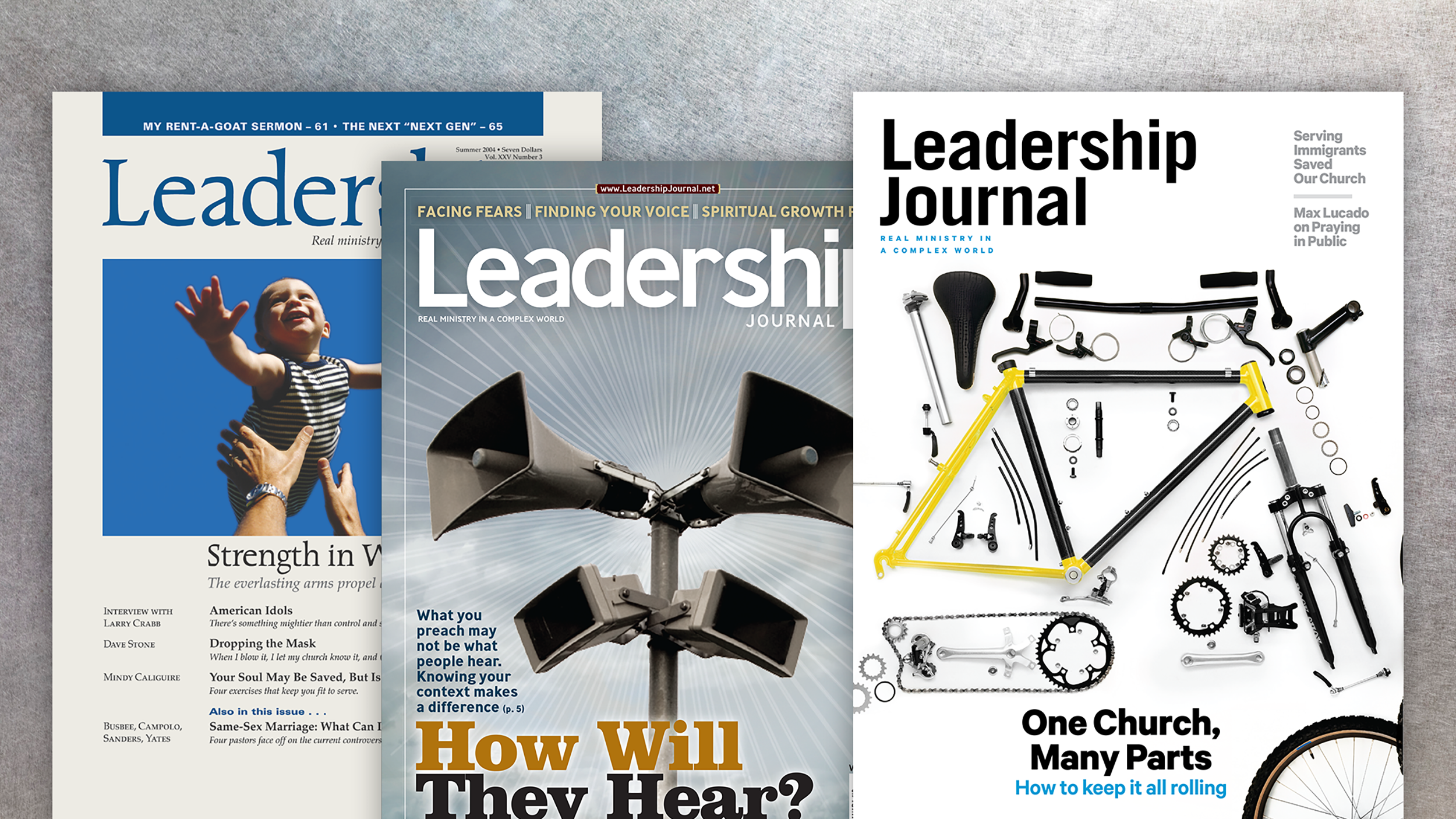
Leadership Journal
Archives
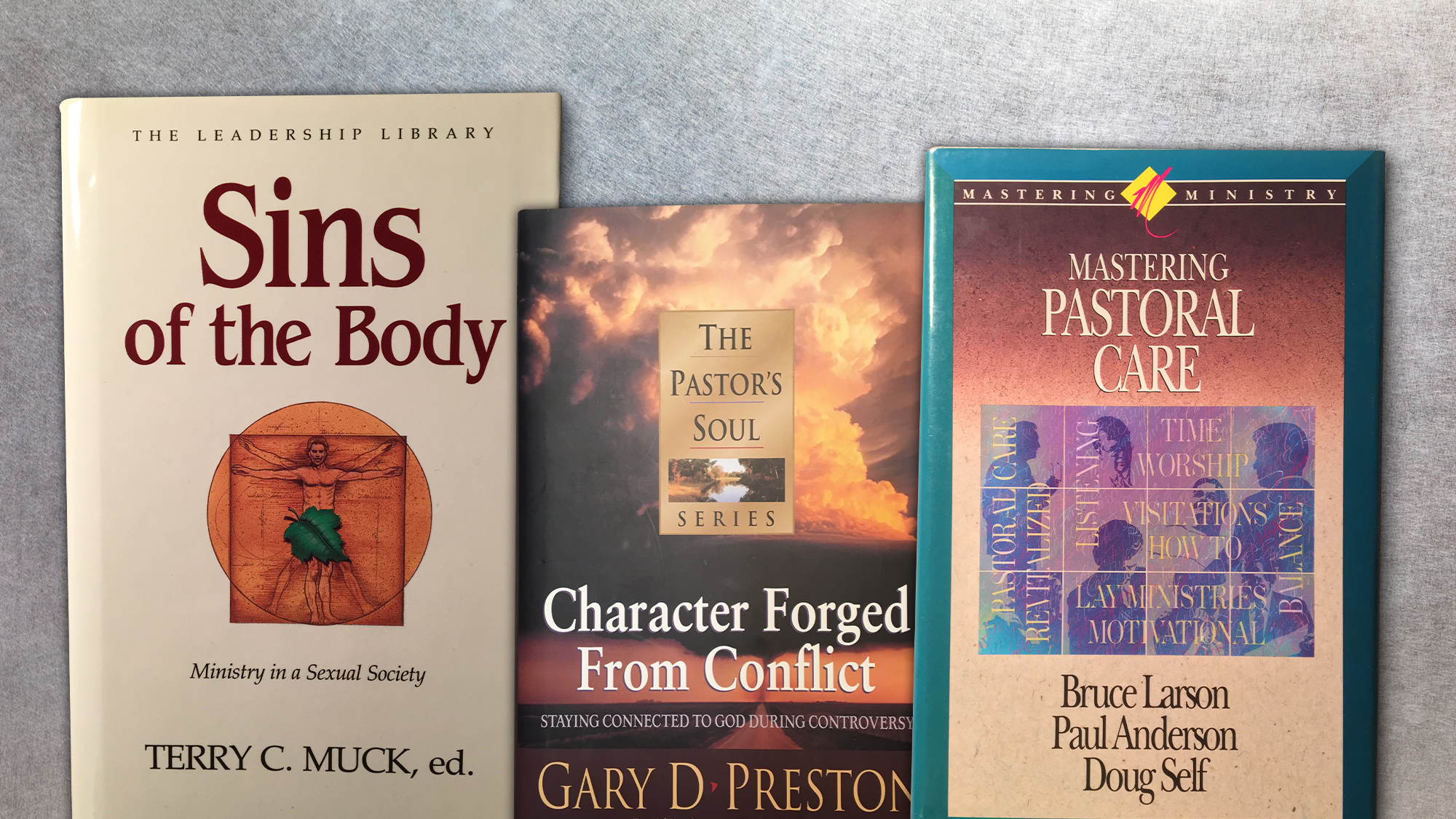
Leadership Books
Cartoons
Full Library
Archives
Subscribe to CT magazine for full access to the CT Pastors archives
Current Issue
Issue Archives
Subscribe
Give a Gift
Donate
Theology
What Christians Miss When They Dismiss Imagination
Understanding God and our world needs more than bare reason and experience.
Douglas Estes
Image: Source images: Hiroshi Watanabe / Getty / CCO
Review
Reason and Logic Belong to God. So Do Imagination and Myth.
A new book explores what C. S. Lewis believed about the multileveled nature of reality.
Louis Markos
Video
AJ Sherrill: The Importance of Imagination
The church should empower curiosity and foster imagination...but does it?
Father's Day
The Last Gift My Father Gave Me
A surprising encounter with my dad, Jesus, and Jerry Seinfeld opened a door to long-awaited healing.
Michael Cosper
Review
It’s Never Too Late to Forgive a Flawed Father—or to Ask How He Got His Scars
What an attention-starved son learned while reconstructing the life of his distant dad.
Chad C. Ashby
Subscribe to Christianity Today for access to the most comprehensive Pastor’s Library:
Complete access to
CT Pastor’s Library
Home delivery of CT magazine and CT Pastors special issues
Over 120 years of magazine archives plus full access to all of CT’s online archives
Learn more
Subscribe Now
Already a subscriber?
Log in
Books
Review
Life in the Negative World: Confronting Challenges in an Anti-Christian Culture
Aaron M. Renn
Excerpt
Defiant Joy: Find the Hope to Light Your Way, Even in the Darkness
Jennifer Michelle Greenberg
Review
Songs I Love to Sing: The Billy Graham Crusades and the Shaping of Modern Worship
Edith L. Blumhofer
Review
Hope for God's Creation: Stewardship in an Age of Futility
Andrew J. Spencer
Review
Strange Religion: How the First Christians Were Weird, Dangerous, and Compelling
Nijay K. Gupta
Review
Crossing Cultures with the Gospel: Anthropological Wisdom for Effective Christian Witness
Darrell L. Whiteman
View All
Public Theology
Reality Is Now a Diss Track
Drake and Kendrick Lamar’s rivalry reveals our craving for controversy—and what’s lost when community is based on shared hatred, not love.
Russell Moore
Obituary
Died: Gospel for Asia Founder Athanasius Yohannan
The champion of “native missions” trained more than 100,000 evangelists but got in trouble for financial mismanagement.
Daniel Silliman
Bringing the City of God to the Cities of Earth
Christian urban designers and developers explain how their faith affects their work—and how their work affects your faith.
Rabekah Henderson
Digital Lectors for a Postliterate Age
Postliterate people still need God’s Word, and online Bible ventures have found eager listeners.
Brad East
News
SBC Membership Falls to 47-Year Low, But Church Involvement Is Up
Amid the continued declines, Southern Baptists are celebrating back-to-back years of growth in worship attendance and baptism.
Kate Shellnutt
The Key to Fighting Sex Trafficking? Showing up.
Indonesia's Compassion First isn’t knocking down doors, but caring for victims and tutoring at-risk youth living in cemeteries.
Angela Lu Fulton in West Java
Let the Neurodivergent Children Come to Me
Gentle parenting is one tool to train up children who have disabilities with love and wisdom.
Sunita Theiss
Goodbye Postmodernism, Hello Metamodernism
Our apologetics must evolve to engage with the new cultural mood of the next generations.
Benjamin Vincent
News
Trash Problem Pushes Pastor to Action
A Honduran church leads the way in local garbage collection while praying for an international plastics treaty.
Adam MacInnis
español
News
Hillsong Abuse Settlement Rejected Over NDA
Victim says she wants accountability more than money.
Daniel Silliman
View All Of Our Latest
Free Newsletters
Get the best from CT Pastors editors, delivered straight to your inbox.
More Newsletters
Current Issue
May/June 2024
Subscribe
Read This Issue
How to Pray with ADHD
The Struggle to Hold It Together When a Church Falls Apart
The Secret Sin of ‘Mommy Juice’
Subscribe to
Christianity Today
and get 2 special issues from CT Pastors each year plus instant access to the digital archives.
Follow @CT_Pastors
Ministry Resources
Find a sermon illustration:
Browse Now
Plan a leadership training:
Start Planning
Train small group leaders:
Browse Now
Answer an admin question:
Learn More